Social Media Marketing Made Simple: Boost Your Brand with These Easy Tips
Social Media Marketing: What Actually Works for Business Growth
Most businesses know they need to be on social media. Fewer know what to actually do there.
The gap between “posting regularly” and “growing your business through social media” is wider than most people expect. It’s not about being everywhere. It’s not about chasing every trend. It’s about making deliberate decisions — the right platforms, the right content, the right metrics — and then being consistent enough to see results.
Here’s what that actually looks like.
Pick Fewer Platforms and Work Them Better
There are nearly 200 social media platforms. You should be on maybe two or three of them.
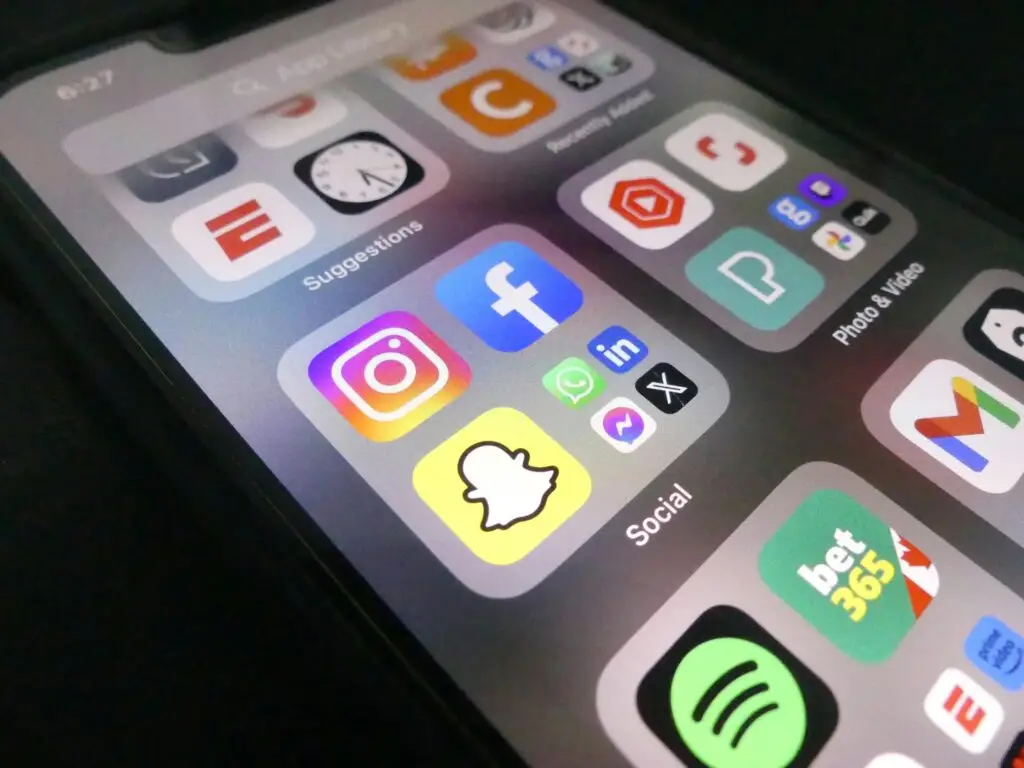
The instinct to be everywhere is understandable, but it spreads teams thin and produces mediocre content across the board. Better to do two platforms well than six poorly. Here’s a quick breakdown of where different audiences actually live:
| Platform | Who’s There | What Works |
|---|---|---|
| Broad, skews younger; strong with 18–34 | Photos, Reels, Stories — visual-first content | |
| Widest age range; strong with 35–54 | Mixed content, community groups, paid ads | |
| Professionals, B2B decision-makers | Thought leadership, case studies, industry commentary | |
| TikTok | Gen Z and Millennials dominate | Short-form video, trends, entertainment-led content |
The question to ask isn’t “should we be on TikTok?” It’s “are our customers on TikTok, and do we have the capacity to produce content that works there?” If the answer to either is no, skip it.
Set Goals You Can Actually Measure
“Get more followers” is not a goal. Neither is “increase brand awareness” on its own.
Goals worth setting look like:
- Grow Instagram engagement rate from 1.8% to 3% over 90 days
- Generate 50 inbound leads per month through LinkedIn content
- Reduce cost-per-click on Facebook ads from ₹18 to ₹12 by Q2
These are specific, measurable, and tied to something that actually matters to the business. Vague goals produce vague strategies and make it impossible to know if anything is working.
The metrics worth watching regularly: engagement rate, follower growth rate, reach, click-through rate, and conversion rate from social traffic. Most analytics dashboards show you all of these — the trick is deciding which ones you care about before you start, not after.
Content That Gets Engagement vs. Content That Gets Ignored
 Content that performs well starts with understanding what your specific audience wants to see — not what works for someone else’s audience.
A lot of social media content fails for one simple reason: it was made for the brand, not the audience.
Content that performs is content that either teaches something, entertains, solves a problem, or makes people feel something. A behind-the-scenes look at how your product is made. A quick tip that saves someone 20 minutes. A customer result presented in a way that makes other customers think “that could be me.”
A few things that consistently help:
Hook the first line (or first frame). On every platform, people decide in under two seconds whether to keep scrolling. The first sentence of your caption and the first frame of your video have to earn the next one.
Tell people what to do. Calls-to-action aren’t pushy — they’re helpful. “Save this for later,” “drop your answer in the comments,” “click the link in bio” — these prompts actually work because most people need a nudge.
Use native features. Platforms reward content that uses their tools. Instagram favors Reels. LinkedIn boosts posts that use their document carousel format. TikTok surfaces content that uses trending audio. This isn’t gaming the algorithm — it’s working with it.
Mix content types. Educational posts, entertaining posts, promotional posts, behind-the-scenes content. If every post is a sales pitch, you’ll lose followers fast. A rough rule of thumb: 70% value, 20% brand-building, 10% direct promotion.
Visual Content: Where Most Brands Cut Corners
 Consistent visual identity across platforms makes your content immediately recognizable — even before someone reads the caption.
Engagement data across every major platform tells the same story: visual content consistently outperforms text-only posts. The gap is significant enough that treating visuals as optional isn’t really an option anymore.
A few things worth getting right:
Image sizing. Each platform has different dimensions. An image that looks great on Instagram might get cropped awkwardly on LinkedIn. Size your images correctly for each platform — it takes five minutes and makes a visible difference.
Brand consistency. Your colors, fonts, and visual style should be immediately recognizable. If someone sees your post while scrolling and can’t tell it’s you without reading the handle, your visual identity needs work.
Video length. Instagram Reels under 30 seconds consistently outperform longer ones. TikTok’s sweet spot is 15–60 seconds. LinkedIn video does better at 1–2 minutes. Know your platform.
Design tools. You don’t need a graphic designer for every post. Tools like Canva, Adobe Express, and CapCut make it easy to produce clean, on-brand visuals without heavy production costs.
Community Building Is Not the Same as Follower Count
A lot of brands treat social media like a broadcast channel. Post content, hope people see it, repeat. That approach misses the most valuable thing social media actually offers: direct access to your customers.
Respond to comments — not with a generic emoji, but with an actual response. Ask questions. Run polls. Acknowledge when someone shares your content. These aren’t big asks, but they compound. An account with 5,000 engaged followers is worth more than one with 50,000 passive ones.
User-generated content is worth pursuing actively. When customers post about your product, share it. Create a branded hashtag they can use. Run occasional contests or challenges that invite participation. This kind of content is free, credible, and reaches audiences you’d otherwise pay to access.
Sprout Social’s 2023 data found that 68% of people follow brands specifically to learn about new products — which means your followers are already warm. Treat them accordingly.
Social Media Advertising: Getting More From Your Budget
 A well-structured ad campaign targets the right people at the right stage of the funnel — not just the widest possible audience.
Organic reach on most platforms has declined significantly over the past few years. Paid advertising fills that gap — but only if it’s set up properly.
A few principles worth following:
Match the campaign objective to the business goal. Running an awareness campaign when you want leads is a waste of budget. Platforms have different objectives — reach, traffic, lead generation, conversions — and the algorithm optimizes differently for each.
Narrow your targeting. The instinct is to target broadly to “reach more people.” Usually, tighter targeting performs better. A 35–45-year-old business owner in Pune who follows competitor pages is more valuable than everyone in Maharashtra aged 25–55.
Retargeting is underused. People who’ve visited your website, watched your videos, or interacted with your posts are significantly more likely to convert than cold audiences. Set up retargeting audiences and run specific campaigns to them — usually with a more direct offer or CTA.
Test before scaling. Run small budget tests on multiple creatives before committing to one. What you think will work and what actually works often aren’t the same.
Influencer Marketing: Worth It If You Do It Right
The influencer marketing industry crossed $21 billion in 2023, which means it’s mature enough that the obvious mistakes are well-documented.
The biggest one: choosing influencers based on follower count rather than audience fit. A micro-influencer with 15,000 followers in exactly your niche will almost always outperform a macro-influencer with 500,000 followers in a loosely related one. Engagement rate and audience relevance matter more than reach.
A few things to look for before signing a partnership: engagement rate (aim for above 2% on Instagram, higher on TikTok), comment quality (actual responses vs. emoji spam), and whether their existing content matches the tone of your brand.
The best influencer content doesn’t look like an ad. Give creators room to present your product in their voice — it’s why their audience trusts them in the first place.
Tracking Performance: The Metrics That Actually Matter
Posting consistently without reviewing performance is guesswork. Set up a simple monthly review — even 30 minutes looking at the right numbers will show you what’s worth doing more of and what isn’t.
The metrics worth tracking by goal:
- Brand awareness: Reach, impressions, follower growth rate
- Engagement: Likes, comments, shares, saves, engagement rate
- Traffic: Link clicks, click-through rate, referral traffic in Google Analytics
- Lead generation: Form fills, DM inquiries, landing page conversions
- Revenue: Conversion rate from social traffic, cost per acquisition (for paid)
Most platforms give you this data for free in their native analytics. Tools like Hootsuite, Buffer, or Sprout Social aggregate it across platforms and make reporting easier if you’re managing multiple accounts.
One rule worth following: don’t measure ROI on social media the same way you’d measure it on a paid search campaign. A lot of social media value is indirect — brand recall, trust-building, customer retention — and won’t show up cleanly in a last-click attribution model.
Frequently Asked Questions
How often should we be posting on social media?
Consistency matters more than frequency. Posting three times a week and actually engaging with your audience beats posting daily with no follow-up. That said, general benchmarks: Instagram 3–5x per week, LinkedIn 3–4x per week, TikTok 4–7x per week if you have the content capacity. Start with what you can sustain.
How long before we see results from social media marketing?
Organic growth typically takes 3–6 months before you see meaningful momentum. Paid campaigns can show results much faster — sometimes within days — but organic authority builds over time. If you’re not seeing any engagement after 90 days of consistent effort, the problem is usually content quality or audience targeting, not timing.
Should small businesses invest in paid social ads or focus on organic first?
Ideally both, but if budget is limited, build your organic presence first. Paid ads amplify what’s already working — if your organic content isn’t resonating, paid spend won’t fix that. Once you have content that performs organically, put budget behind it.
Which platform gives the best ROI for B2B businesses?
LinkedIn, consistently. It has lower reach than Facebook or Instagram, but the audience is professional, the intent is higher, and conversion rates for B2B leads are significantly better. B2B companies that invest in LinkedIn content and targeted ads typically see 2x higher conversion rates compared to other platforms.
How do we handle negative comments on social media?
Don’t delete them unless they violate your community guidelines. Respond promptly, acknowledge the concern, and take the conversation to a private channel if it involves specific account details. How you handle complaints publicly tells potential customers a lot about how you treat people. A well-handled complaint can actually build trust.
Do we need a social media management tool?
If you’re managing one or two platforms personally, native tools are fine. Once you’re managing multiple accounts, scheduling ahead, or reporting to clients or stakeholders, a tool like Buffer, Hootsuite, or Zoho Social saves significant time. Most have free tiers that work for small teams.
The Bottom Line
Social media marketing works. But it rewards the people who treat it like a craft — studying what resonates with their specific audience, testing and iterating, showing up consistently — not the ones chasing shortcuts.
Pick the right platforms. Make content your audience actually wants. Engage with people like a human. Review what’s working and do more of it.
That’s most of it.